Top Artificial Wall Grass Trends at 2026 Canton Fair?
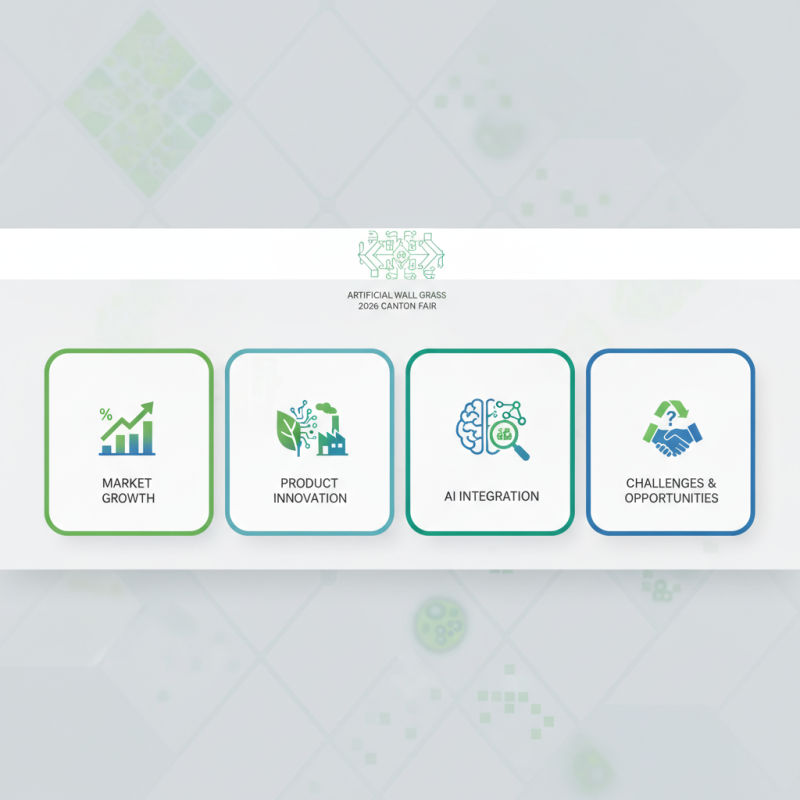
The 2026 Canton Fair is set to showcase the latest trends in various industries, with a special focus on Artificial Wall Grass. This innovative product is gaining traction in both residential and commercial markets. Industry reports indicate that the artificial grass market is expected to grow significantly, with projections suggesting a compound annual growth rate (CAGR) of 12.2% from 2021 to 2026.
Artificial Wall Grass offers aesthetic appeal and practical benefits. It serves as an eco-friendly alternative to traditional landscaping. Enhanced technology results in more realistic appearances, providing solutions for urban spaces lacking greenery. However, there is a need for manufacturers to address potential concerns about sustainability and the long-term environmental impact of synthetic materials.
As the world's largest trade fair, the Canton Fair will integrate advanced AI features. These innovations help buyers efficiently locate suppliers of Artificial Wall Grass meeting specific certifications, like ISO and CE. This rapid evolution in the marketplace reflects an ongoing commitment to improve the industry's image and its environmental footprint. Embracing these trends is crucial, yet challenges remain in educating consumers about the true benefits and drawbacks of artificial grass solutions.
Overview of Artificial Wall Grass Market Trends in 2026
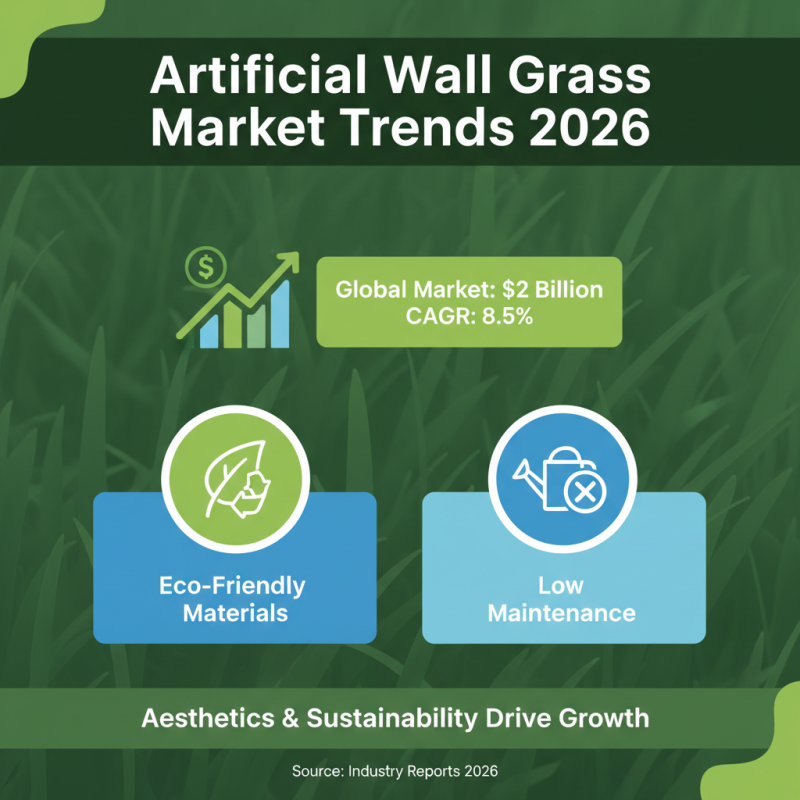
The artificial wall grass market is experiencing significant growth, driven by aesthetics and sustainability. Reports indicate that the global market will reach $2 billion by 2026, growing at a CAGR of 8.5%. Key trends show a rising interest in eco-friendly materials. Consumers increasingly prefer products that require less maintenance.
Installation across various sectors is expanding. Residential areas and commercial spaces alike are integrating artificial wall grass to enhance their visual appeal. However, some challenges remain. Quality variations cause customer dissatisfaction. The demand for durable, UV-resistant products is also increasing. Manufacturers must address these concerns to improve their offerings.
Tips: When choosing artificial wall grass, focus on quality over price. Look for UV protection features and warranties. Also, consider the installation process. Taking these factors into account can lead to better long-term value. As the market evolves, adaptations will be necessary. Monitoring advancements in technology and materials is essential for staying competitive in this growing field.
Innovative Materials and Designs for Artificial Wall Grass
As the 2026 Canton Fair approaches, artificial wall grass trends are evolving rapidly. Innovative materials are at the forefront of this transformation. The global artificial grass market is projected to reach $5.4 billion by 2027, growing at a compound annual growth rate of 10.9% from 2020 to 2027. This growth reflects a rising consumer interest in sustainable and low-maintenance landscaping solutions.
New designs incorporate advanced technologies that mimic natural textures. Many manufacturers are experimenting with eco-friendly fibers and biodegradable options. Reports indicate that surface appearance holds significant value, impacting consumer preferences. However, some products still struggle with UV durability, raising concerns among consumers about their longevity. A balance must be found between aesthetics and practical use.
Sustainability remains a top concern. Many companies aim for carbon-neutral production, but the challenge is complex. Sourcing environmentally friendly materials is not always feasible. This reality invokes reflection on current manufacturing practices. The push towards innovation in artificial wall grass is strong, yet pitfalls remain. Will the industry find enduring solutions for sustainability? Time will tell.
Top Artificial Wall Grass Trends at 2026 Canton Fair
Eco-Friendly Solutions in Artificial Wall Grass Manufacturing
As the 2026 Canton Fair approaches, eco-friendly solutions are at the forefront of artificial wall grass manufacturing. Manufacturers are increasingly focusing on sustainable materials. Biodegradable options are gaining traction. They offer consumers a greener choice without sacrificing quality or aesthetics. Many products now use recycled plastic, minimizing waste and reducing their carbon footprint.
However, challenges remain. Not all manufacturers adhere to strict eco-friendly standards. Some might use low-quality materials, which can affect durability and safety. The industry must find a balance between cost and environmental responsibility. Consumers are becoming more aware of these issues. They demand transparency in sourcing and production processes.
This shift toward sustainability is essential. It pushes innovation within the market. Companies are exploring new technologies, like water-saving production methods. These advancements could lead to a positive change. Yet, it's crucial for stakeholders to remain vigilant. They should hold manufacturers accountable and encourage continuous improvement. The future of artificial wall grass depends on a commitment to these eco-friendly practices.
Top Artificial Wall Grass Trends at 2026 Canton Fair? - Eco-Friendly Solutions in Artificial Wall Grass Manufacturing
| Trend |
Description |
Material Type |
Application |
Eco-Friendly Feature |
| Vertical Gardens |
Aesthetic enhancements for urban spaces. |
Recycled PE fibers |
Indoor and outdoor gardening |
100% recyclable materials |
| Self-Watering Systems |
Integrated solutions for plant hydration. |
Biodegradable components |
Commercial and residential use |
Sustainable water management |
| Advanced UV Protection |
Enhanced durability against sunlight. |
Durable synthetic fibers |
Outdoor spaces and installations |
Long-lasting materials |
| Natural Look Technology |
Realistic grass appearance and feel. |
Natural colored fibers |
Residential yards and parks |
Less water usage for maintenance |
Market Leaders and Key Players in the Artificial Wall Grass Industry
The artificial wall grass industry is evolving rapidly. Key players are pushing innovative designs and sustainable materials. Many companies are integrating eco-friendly solutions into their products. This shift resonates with a growing consumer demand for sustainability.
During the 2026 Canton Fair, many market leaders showcased their latest offerings. Booths featured vibrant green displays, mimicking real grass with high detail. Visitors were impressed by the realistic textures and durable features. The event highlighted the competition. Companies strive for unique solutions that attract buyers.
Challenges exist in this field. Material sourcing can be difficult, and quality control is essential. Not every manufacturer adheres to strict standards, raising concerns. Price fluctuations also affect market dynamics. Brands must continuously adapt to maintain market share while ensuring quality.
Consumer Preferences and Demand Shifts for Artificial Wall Grass
As we approach the 2026 Canton Fair, trends in artificial wall grass are evolving rapidly. Consumer preferences are shifting towards sustainability. According to a recent industry report, 70% of buyers prefer eco-friendly materials. They are seeking solutions that promote environmental conservation. This reflects a growing awareness of ecological issues among consumers.
Aesthetic appeal also plays a significant role in purchasing decisions. Reports indicate that 65% of customers prioritize the visual design of artificial grass walls. Many opt for products that mimic natural greenery closely. The demand for customization is rising. Shoppers want unique designs that fit their spaces perfectly. This trend indicates the need for suppliers to be flexible and innovative.
However, challenges persist. Issues regarding the quality and durability of some artificial options remain. A survey revealed that 30% of users experienced dissatisfaction due to fading colors. Consumers expect long-lasting solutions that withstand weather changes. Suppliers must address these concerns to meet market demands effectively. This ongoing dialogue between consumers and retailers can shape the future of artificial wall grass.