Top 10 Benefits of Using Outdoor Artificial Grass for Your Garden?
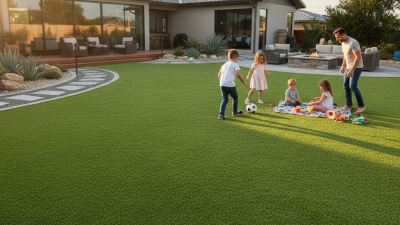
When considering landscaping options, outdoor artificial grass stands out as an innovative solution. Experts in the field, like John Green, a landscape designer with over 15 years of experience, emphasize its numerous advantages. He states, "Outdoor artificial grass transforms any garden into a green paradise without the upkeep."
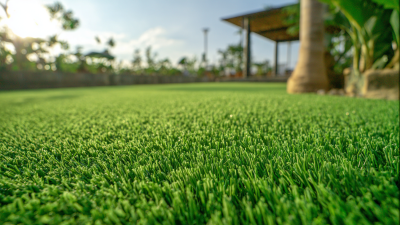
Unlike natural grass, outdoor artificial grass requires minimal maintenance, freeing up time for homeowners. Its durability ensures that it withstands varied weather conditions without wear and tear. Many families appreciate the consistent appearance, with rich, vibrant colors year-round. This eliminates the disappointment of brown patches often found in natural lawns.
However, choosing outdoor artificial grass isn't without its challenges. Some may question its eco-friendliness or the feel underfoot. It's important to consider quality and installation methods when seeking a trustable product. Despite these reflections, the benefits of outdoor artificial grass can significantly enhance a garden's aesthetics and usability, making it an appealing choice for many.
Benefits of Artificial Grass: An Overview of Durability and Longevity
Artificial grass stands out for its durability and longevity. Traditional lawns require frequent maintenance, creating ongoing costs and labor. In contrast, artificial grass can last up to 15 years or longer with appropriate care. A study from the Synthetic Turf Council notes that this type of grass can save homeowners up to 70% on water bills compared to natural grass. This statistic underscores its efficiency in water usage and overall sustainability.
Moreover, weather resilience is a key feature of synthetic turf. It can withstand heavy foot traffic without losing its aesthetic appeal. According to research by the International Turf Industry, artificial grass can handle extreme weather conditions better than natural options. It does not fade under sunlight, nor does it suffer from winter stress. This durability makes it a reliable choice for families and pet owners. However, some may find the initial installation costs high, necessitating careful budget planning.
Yet, it’s important to reflect on some shortcomings. While artificial grass boasts impressive longevity, it can become hot under direct sunlight, raising concerns for outdoor safety. Additionally, eco-conscious homeowners might question its environmental impact at the end of its life cycle. Engaging in conversations about these aspects ensures informed decisions about using artificial grass in gardens.
Cost Savings: Comparing Maintenance Expenses of Natural vs. Artificial Turf
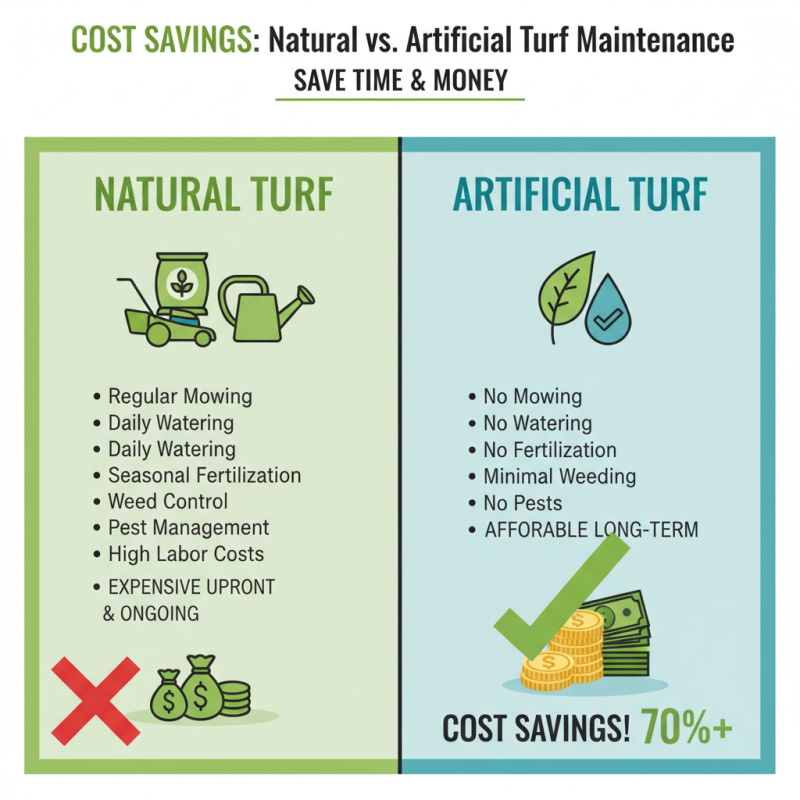
When comparing maintenance expenses, outdoor artificial grass offers significant cost savings over natural turf. Natural grass requires regular mowing, watering, and fertilization. This can quickly add up to substantial expenses. In contrast, artificial grass eliminates these needs entirely, allowing homeowners to save time and money.
The initial investment in synthetic turf may seem high. However, consider the long-term savings. No need to hire landscapers or invest in lawn equipment. Water bills can decrease significantly since artificial grass requires little to no irrigation. Additionally, synthetic turf is durable, lasting many years without needing replacement.
Still, there are considerations. Some homeowners may miss the feel of natural grass underfoot. Seasonal color changes in real grass can also bring aesthetics that artificial options may lack. It's crucial to weigh these factors against the substantial savings and low maintenance of artificial grass. The choice ultimately depends on personal preferences and lifestyle.
Environmental Impact: Water Conservation Statistics with Artificial Grass
Outdoor artificial grass offers significant environmental benefits, especially in water conservation. Reports estimate that natural lawns require around 600 gallons of water per square foot annually. In contrast, artificial grass needs virtually no water for maintenance. This drastic reduction can lead to substantial savings in water bills for homeowners.
Statistics reveal that using artificial grass can decrease residential water usage by up to 70%. For regions facing drought or strict water regulations, this can make a considerable difference. Homeowners can enjoy a lush, green garden without contributing to water scarcity issues.
Additionally, artificial grass eliminates the need for chemical fertilizers and pesticides. These chemicals can contaminate local water supplies. A shift to synthetic grass not only conserves water but also promotes healthier ecosystems. It’s crucial to reflect on these factors when weighing the decision to switch from natural grass to artificial alternatives. Choosing wisely can lead to better gardening practices and a more sustainable environment.
Safety and Health: UV Resistance and Reduced Allergens in Outdoor Settings
When considering outdoor spaces, safety and health are paramount. Outdoor artificial grass stands out with its UV resistance, which protects users from harmful sun exposure. Unlike natural grass, synthetic materials do not fade quickly. They maintain vibrant colors, offering a visually appealing environment. This resistance makes it suitable for any climate, ensuring longevity and durability.
Additionally, outdoor artificial grass can significantly reduce allergens. Grass pollen is a common irritant for many. By opting for synthetic grass, you limit exposure to these allergens. This can be especially beneficial for children and pets who spend time outdoors. The soft surface also minimizes the risk of injuries, providing a safer play area.
Tips to consider: Choose infill materials that are non-toxic and environmentally friendly. Regular cleaning helps maintain hygiene, washing away dust and debris. And while synthetic grass has many benefits, consider your local climate and usage patterns. Think about how this may affect the longevity and safety of your investment.
Aesthetic Appeal: Innovations in Design Trends for Artificial Grass Installations
Outdoor artificial grass has surged in popularity as a sustainable choice for gardens. Recent reports indicate that nearly 40% of homeowners are considering it for their landscapes. One significant driver behind this trend is the aesthetic innovation seen in design trends. Today's artificial grass mimics natural lawns with impressive detail, including varied blade lengths and realistic colors. These advancements contribute to a visually appealing outdoor space.
Moreover, the environmental advantages of artificial grass attract many. Studies show a 90% reduction in water usage, which translates to significant savings. However, some installations may lack the organic feel of natural grass. This raises questions about the balance between design and functionality. People often desire vibrant landscapes, but some might feel detached from the genuine experience nature offers.
Innovative patterns and textures now allow for creative landscaping solutions. For instance, interspersing flowers with artificial grass can create captivating contrasts. Yet, there is still a need for education on maintenance best practices. Not every material suits all climates, and improper installation can lead to unsatisfactory results. Understanding these elements is vital for achieving the desired outcome in any garden.
Top 10 Benefits of Using Outdoor Artificial Grass for Your Garden
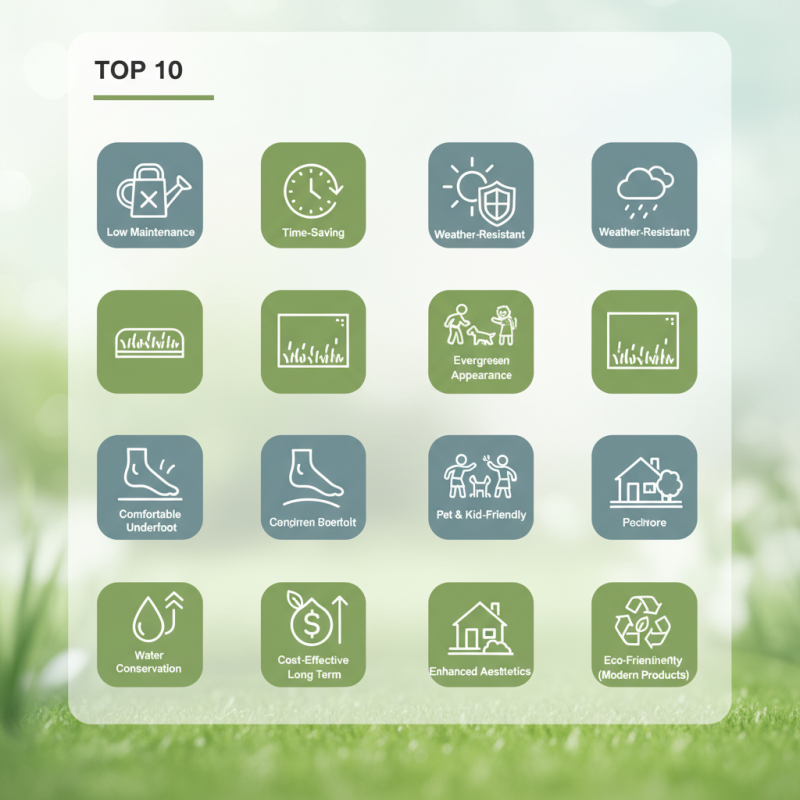
| Benefit |
Description |
| Aesthetic Appeal |
Enhances the overall look of the garden with vibrant, lush greenery. |
| Low Maintenance |
Requires minimal upkeep compared to natural grass, saving time and effort. |
| Durability |
Resistant to wear and tear, perfect for high foot traffic areas. |
| Water Conservation |
Eliminates the need for watering, reducing overall water consumption. |
| Pest Resistance |
Deters pests such as insects and rodents that can damage natural grass. |
| Safe for Children and Pets |
Non-toxic materials make it safe for children and pets to play on. |
| Versatile Application |
Can be used in various settings such as gardens, patios, and playgrounds. |
| All-Weather Resilience |
Maintains its appearance and function in various weather conditions. |
| Cost-Effective |
Long-term savings on water bills and maintenance compared to natural grass. |
| Innovative Design Trends |
Modern designs can include varied textures and colors for a realistic look. |