How to Choose the Best Artificial Soccer Grass for Your Needs?
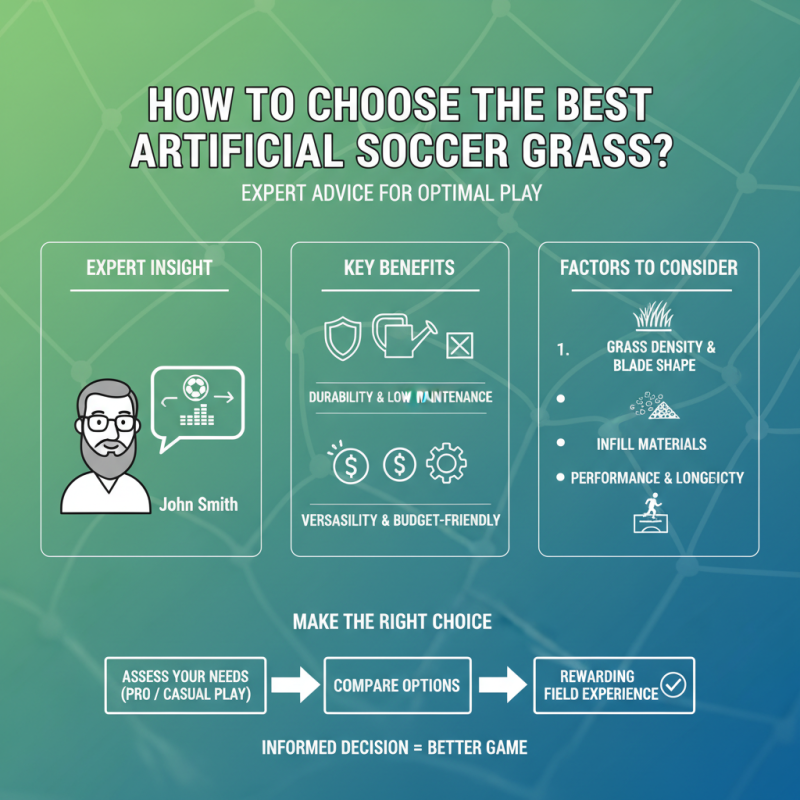
When it comes to selecting the best Artificial Soccer Grass, expertise is crucial. According to John Smith, a renowned expert in the field, “Choosing the right artificial turf can significantly impact your game.” This statement highlights the importance of making informed decisions in the artificial grass market.
Artificial Soccer Grass offers various benefits, including durability and low maintenance. With options available for different budgets and needs, it can be overwhelming. Each type of turf presents unique features, making it essential to understand your specific requirements. Factors to consider include the grass's density, blade shape, and infill materials, which all influence performance and longevity.
Not all artificial grass products are created equal. Some may lack the quality needed for professional play, while others might be excessive for casual use. It’s vital to compare available options. Reflecting on personal needs and intended use can guide the decision-making process. Making the right choice in Artificial Soccer Grass leads to a rewarding experience on the field.
Understanding Different Types of Artificial Soccer Grass Available
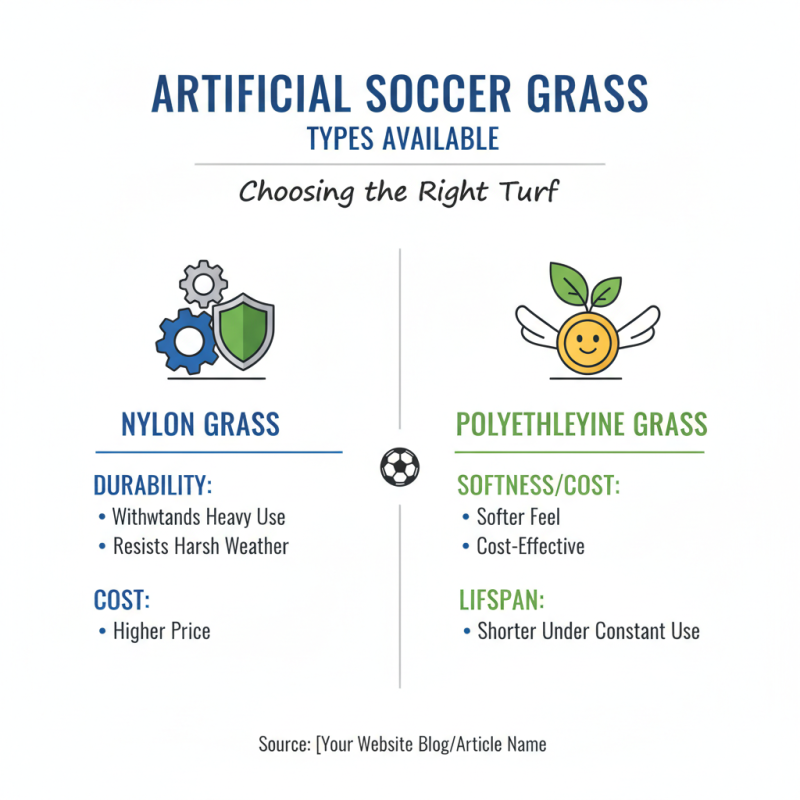
When selecting artificial soccer grass, understanding the types available is crucial. There are primarily two types: nylon and polyethylene. Nylon grass is known for its durability. It can withstand heavy foot traffic and harsh weather. However, it can be pricier than other options. For those on a budget, polyethylene grass is a popular choice. It offers a softer feel and is also cost-effective. Still, it may not last as long under constant use.
The thickness of the grass blades matters too. Thicker blades provide a more realistic appearance and better cushioning. However, they require more maintenance. On the other hand, thinner blades are easier to manage but might lack the aesthetic appeal.
Considering factors like infill material is also essential. Some infills can affect the performance and feel of the grass. Rubber infill provides better shock absorption, while sand infill offers stability. Each choice has distinct benefits and potential drawbacks. Careful consideration is necessary to find the right balance for your soccer field.
Evaluating Your Soccer Field's Usage and Foot Traffic Patterns
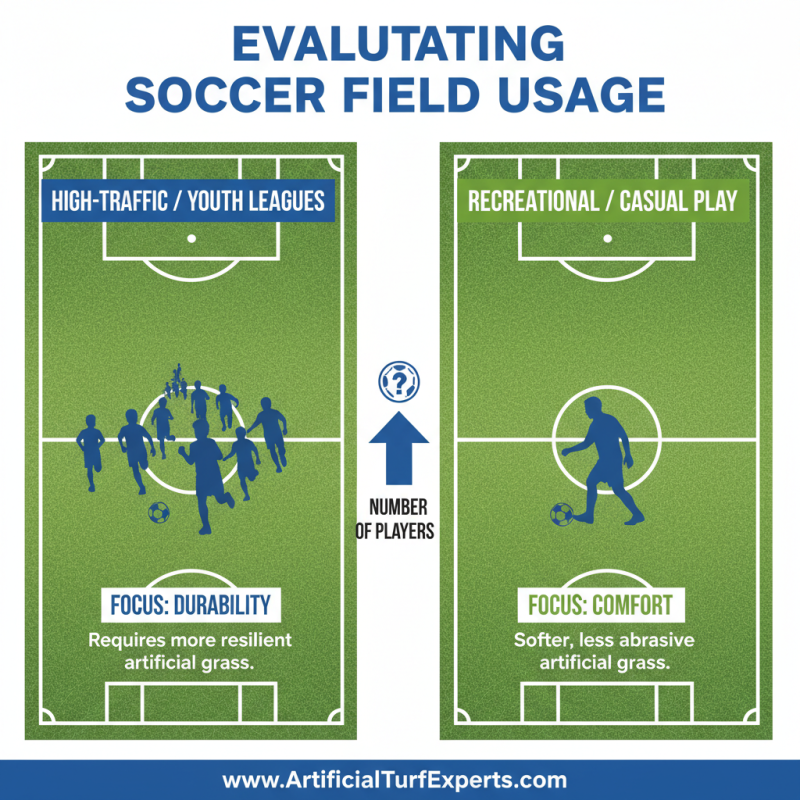
When evaluating your soccer field's usage and foot traffic patterns, the first aspect to consider is the number of players. A high-traffic area will require more durable artificial grass. If your field hosts youth leagues, the grass needs to withstand frequent use. Conversely, if it’s for recreational playing, you might prioritize comfort over durability.
Think about the types of activities taking place on the field. Are there drills, games, or casual kickabouts? Each activity can affect how the grass wears over time. Consider how weather influences foot traffic as well. Rainy conditions can lead to muddy spots, affecting player safety. Areas that remain wet may require a drainage-friendly grass option.
Paying attention to these factors will put you on the right path. However, it's important to remember that your needs may change. Some fields may not be used as often as planned, leading to wear and tear in unexpected areas. Being flexible and open to redefining your needs can lead to better long-term decisions about your soccer grass. Revisiting your choices periodically can help ensure the grass remains suitable.
Important Factors to Consider: Material, Durability, and Drainage
Choosing the right artificial soccer grass involves understanding key factors. Material is crucial. High-quality synthetic fibers offer better performance and a more natural feel. Some materials may degrade faster under sunlight. Look for products made from UV-resistant materials. This simple step can extend the life of your grass.
Durability cannot be overlooked. Not all artificial grass is created equal. Some products wear out quickly, especially under heavy use. Check the warranty and reviews. A good warranty indicates confidence in durability. Consider the overall thickness and density of the grass. Thicker blades may provide better resilience against wear and tear.
Drainage is another important aspect. Proper drainage ensures a safe playing surface during rain. Grass with advanced drainage systems will help prevent water accumulation. Regular maintenance can also improve drainage over time. Without it, mold and other issues may arise. Think about your local climate when selecting grass. Different environments can affect the performance of the grass.
Assessing Ecological Impact and Maintenance Requirements of Turf
When choosing artificial soccer grass, it's crucial to assess the ecological impact. Synthetic turf is often made from materials that may not be biodegradable. Over time, this can lead to accumulation in landfills. Some products also release microplastics into the environment. It's important to consider these factors before making a purchase.
Maintenance requirements also play a significant role in your decision. Artificial turf typically needs regular cleaning to prevent dirt buildup. Some may require infill replacement over time. This maintenance can seem straightforward, but it can pose challenges. Also, not all turf options provide suitable drainage, leading to potential water pooling. Ensuring proper maintenance is essential for longevity and performance.
Choosing the right grass involves weighing these ecological and maintenance considerations. You should reflect on your specific needs and responsibilities. Consider engaging with local experts for guidance. Their insight can help you make an informed choice.
Comparison of Artificial Soccer Grass Types Based on Ecological Impact and Maintenance
Budgeting for Installation and Long-term Care of Artificial Grass
When considering artificial soccer grass, budgeting plays a crucial role. The initial cost covers materials and installation, which can vary widely. Quality grass may have a higher price tag, but it often lasts longer. Research local installation rates and materials to estimate your budget accurately. Don’t forget to factor in possible unexpected costs.
Long-term care is another important aspect. Regular maintenance can keep your artificial grass looking fresh. This includes periodic cleaning to remove debris and occasional infill replacement. Budget for these maintenance tasks as they contribute to longevity. Consider setting aside funds for repairs, which might emerge unexpectedly.
Ultimately, balancing upfront costs with long-term care expenses is vital. Reflect on the initial investment compared to future savings. Quality artificial grass can be a worthwhile investment if well cared for. Yet, it's essential to acknowledge that neglect can lead to additional long-term costs. Stay informed and prepared to ensure your choice meets both immediate and future needs.