How to Choose Green Artificial Grass for Your Lawn?
Choosing the right Green Artificial Grass for your lawn can feel daunting. With numerous options on the market, it is essential to understand what suits your needs best. Green Artificial Grass offers a lasting aesthetic appeal, providing a fresh look all year round.
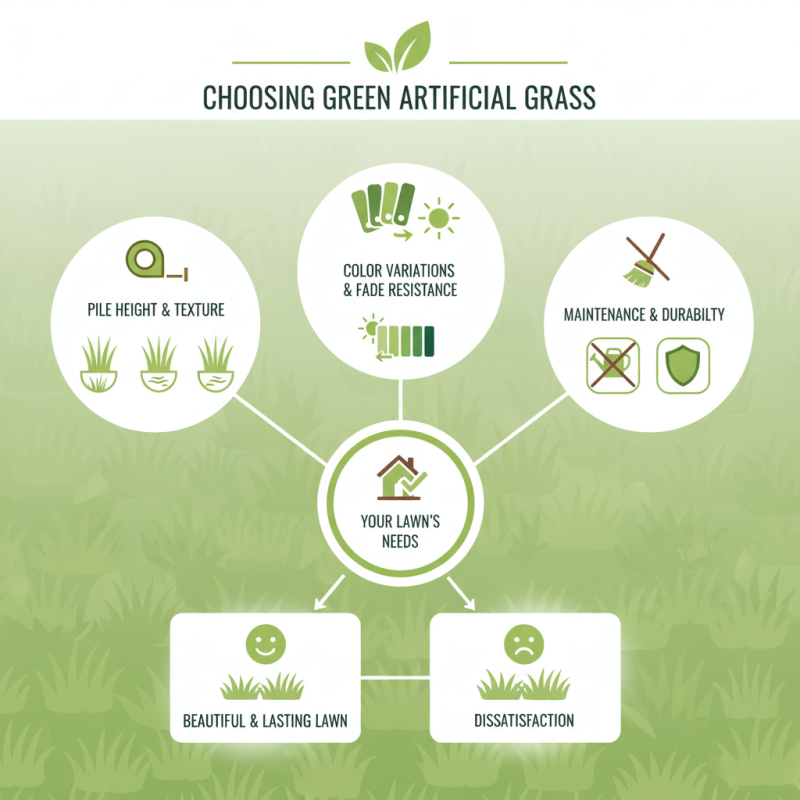
However, not every product is equal. Some grasses may look vibrant at first but fade quickly under sunlight. Others might feel unnatural underfoot. When selecting, consider the pile height, color variations, and texture. A good match can enhance your outdoor space, while a poor choice may lead to dissatisfaction.
Additionally, think about maintenance. Some Green Artificial Grass varieties require little care, while others could demand more attention. Reflecting on these aspects can help you make a more informed decision. After all, a beautiful lawn starts with the right foundation.
What is Green Artificial Grass and Its Benefits for Lawns?
Green artificial grass offers a sustainable option for lawns. It mimics the appearance of natural grass while eliminating many of the hassles of traditional lawns. Notably, a report by the American Society of Landscape Architects found that artificial grass can reduce water usage by up to 70%. This is crucial in times of drought.
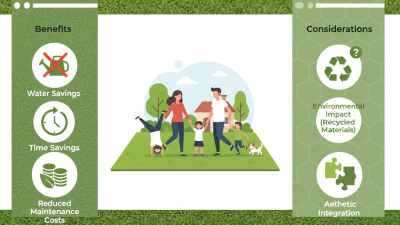
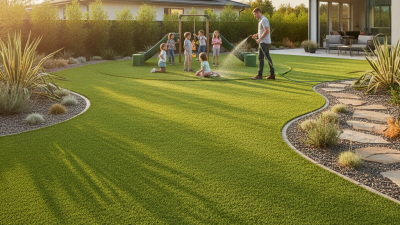
The benefits of green artificial grass extend beyond water conservation. It enhances curb appeal and provides a comfortable space for family activities. In addition, it requires minimal maintenance, saving time and money. Homeowners can enjoy a lush lawn year-round without the need for pesticides. However, the initial investment can be significant, leading some to hesitate.
When choosing artificial grass, consider your specific needs. Search for products made from recycled materials. Check for warranties and longevity claims. It's wise to ask for samples and test how they feel underfoot. Keep in mind that not all grass is created equal. The color may fade over time, especially in sunny areas.
Tips: Look into local recycling programs for old turf. These can sometimes offset costs. Always choose the right infill material. It can affect the feel and durability. Pay attention to drainage; poor drainage can lead to surface issues.
Factors to Consider When Choosing Green Artificial Grass
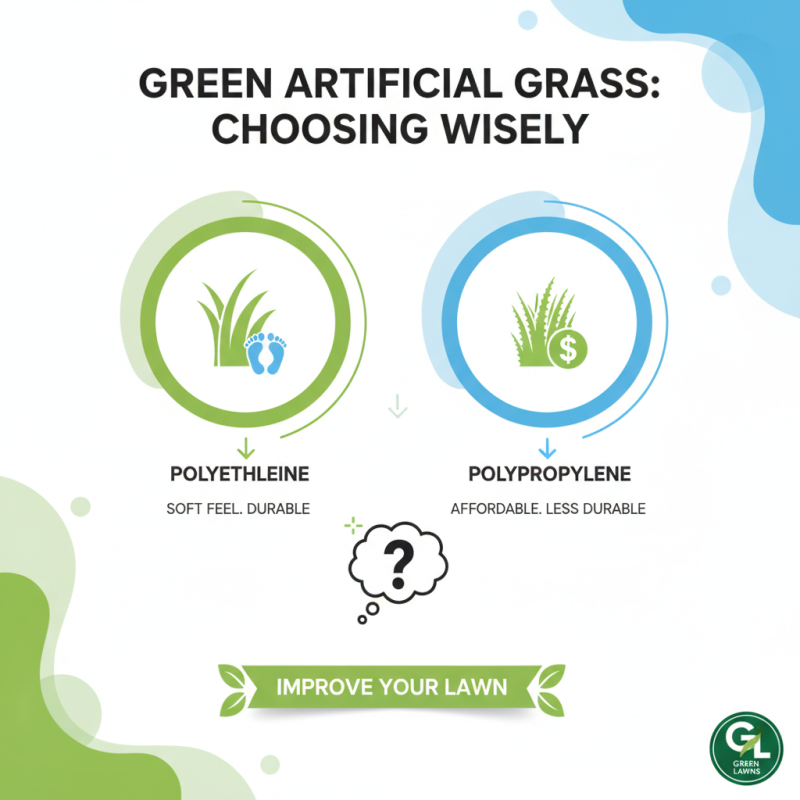
Choosing the right green artificial grass can significantly improve your lawn's appearance. One crucial factor to consider is the material. Many options exist, like polyethylene and polypropylene. They vary in texture and durability. Polyethylene often feels softer, while polypropylene is more affordable but less durable. Think about what feels good underfoot.
Another important element is the pile height. Taller blades may look lush but can become difficult to maintain. Shorter blades are easier to care for and can still appear vibrant. Consider your climate too. Some turfs perform better in sunny areas, while others withstand shade well. You might also want to reflect on the infill material. This can affect both the grass's firmness and how it feels when walked on.
Don't forget to evaluate your budget. Artificial grass can be a significant investment. Sometimes, cheaper options lead to quicker wear. It's essential to weigh your choices carefully. Balancing quality with price is often hard. Think about long-term savings versus initial costs. Seeking advice from professionals could help guide your decision. Remember, even after choosing, adjustments might be needed later.
Types of Green Artificial Grass Materials and Their Environmental Impact
When choosing green artificial grass, the material matters greatly. There are various options such as polyethylene, polypropylene, and nylon. Polyethylene is soft and ideal for residential lawns. It's often chosen for its lush appearance. However, its durability can sometimes fall short in high-traffic areas.
Polypropylene, on the other hand, is less expensive. While it works well for decorative purposes, it may not withstand heavy use. Nylon is the most durable choice, perfect for sports fields. But it can come with a higher environmental cost. Producing nylon requires more energy, leading to a larger carbon footprint.
It's important to consider the environmental impact of these materials. Some artificial grasses are made from recycled materials. This presents an appealing option for eco-conscious consumers. Yet, the recycling process itself raises questions. Is it truly green if it requires significant energy? Assessing each option deeply is essential. Your choice should support sustainability, without compromising quality.
How to Assess the Quality and Durability of Artificial Grass
When assessing the quality and durability of artificial grass, it’s vital to consider several key factors. Look for grass with a higher face weight. Studies indicate that grass with a weight of 40 oz or more tends to last longer. The yarn composition matters too. Polyethylene fibers are common and durable, often used in high-quality products.
Tip: Check for UV resistance. This feature prevents fading and degradation from sun exposure. Products that demonstrate UV stability can maintain their color for years.
Another critical aspect is the backing material. A strong, well-constructed backing enhances durability. It is advisable to choose grass with a double-layer backing for added strength. While nylon grass is durable, it may not feel as comfortable underfoot.
Tip: Consider infill options. Sand or rubber infill can improve drainage and feel, though installation can be tricky. It’s important to weigh comfort against durability. Not every choice is perfect and some compromises may be necessary.
Installation and Maintenance Tips for Your Green Artificial Grass Lawn
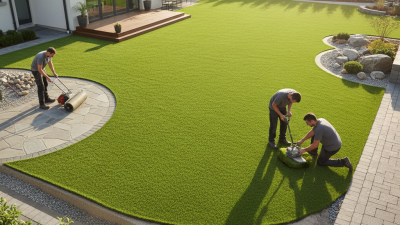
When installing green artificial grass, proper preparation is crucial. Start by measuring your lawn area accurately. Remove existing grass and debris before installation. This ensures a smooth base for your new lawn. According to the Synthetic Turf Council, up to 70% of artificial grass installations go wrong due to inadequate groundwork.
Tip: Make sure the soil is compacted. This reduces the chances of sinking or uneven surfaces over time. Using a fine layer of crushed rock also helps in drainage, as artificial grass needs proper water management.
Maintenance is key to prolonging the life of your artificial grass. Regularly remove leaves and debris to prevent mold growth. Experts recommend rinsing it occasionally with water to keep colors vibrant. A report from the International Turfgrass Society indicates that clean artificial grass can last up to 15 years with minimal degradation.
Tip: Use a broom with synthetic bristles. This will not damage the grass while keeping it looking fresh. Also, check the seams regularly to ensure they remain intact. Neglect can lead to bigger issues down the line. Keeping up with basic care can save you time and money in the long run.