What is Synthetic Artificial Grass and Its Advantages?
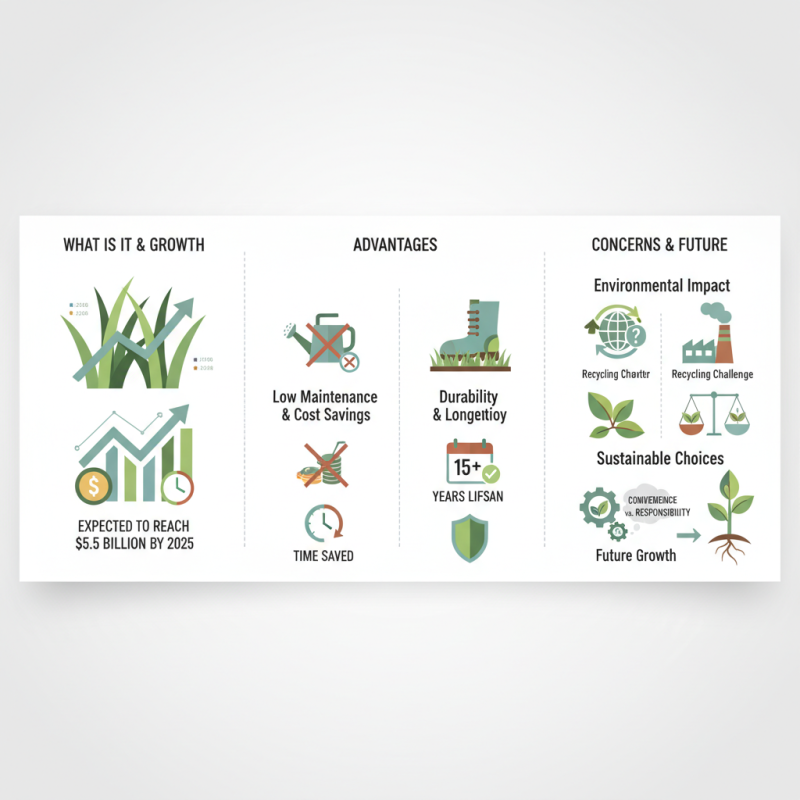
Synthetic Artificial Grass has gained significant popularity in recent years. According to a report by Transparency Market Research, the global synthetic turf market is expected to reach $5.5 billion by 2025. This surge in demand highlights the numerous benefits synthetic grass offers to both residential and commercial users.
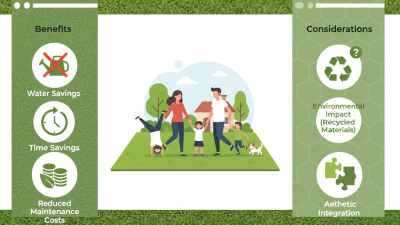
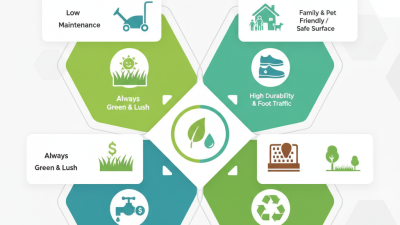
One notable advantage of Synthetic Artificial Grass is its low maintenance requirement. Homeowners and business owners can reduce costs and save time. Moreover, this type of grass provides a durable surface that can withstand heavy foot traffic. The Innovative Turf Institute states that synthetic grass can last over 15 years with proper care.
Despite the many benefits, some concerns remain. Environmental impact is a significant issue. Recycling old synthetic materials is still a challenge. Awareness of these factors can lead to more sustainable choices. Understanding the balance between convenience and environmental responsibility is essential for future growth in the synthetic grass industry.
What is Synthetic Artificial Grass? An Overview of Its Composition
Synthetic artificial grass has gained popularity in recent years due to its unique composition and practical advantages. Typically, it comprises polyethylene or polypropylene fibers, along with a backing made from durable materials like polyurethane. These synthetic fibers mimic the look and feel of natural grass, providing an attractive solution for various applications. According to a report by the Synthetic Turf Council, the global synthetic turf market is expected to reach $5 billion by 2027, indicating increased adoption in landscaping and sports.
The durability of synthetic grass is a significant selling point. Unlike natural grass, which requires constant maintenance, synthetic varieties can withstand heavy foot traffic. They do not fade easily and are resistant to various weather conditions, making them suitable for both residential and commercial use. However, the environmental impact of production and disposal remains a concern. The raw materials used are often derived from fossil fuels, and recycling processes are still in their early stages. A study by the Environmental Protection Agency highlighted that less than 10% of used synthetic turf was recycled in past years.
Lastly, while synthetic grass offers numerous benefits, it is not without drawbacks. Installation can be quite costly initially. Additionally, the heat retention properties of synthetic materials can lead to elevated surface temperatures, raising questions about usability during hot weather. Balancing these factors is essential for anyone considering synthetic grass for their project.
The Evolution of Synthetic Grass: From Initial Inceptions to Modern Innovations
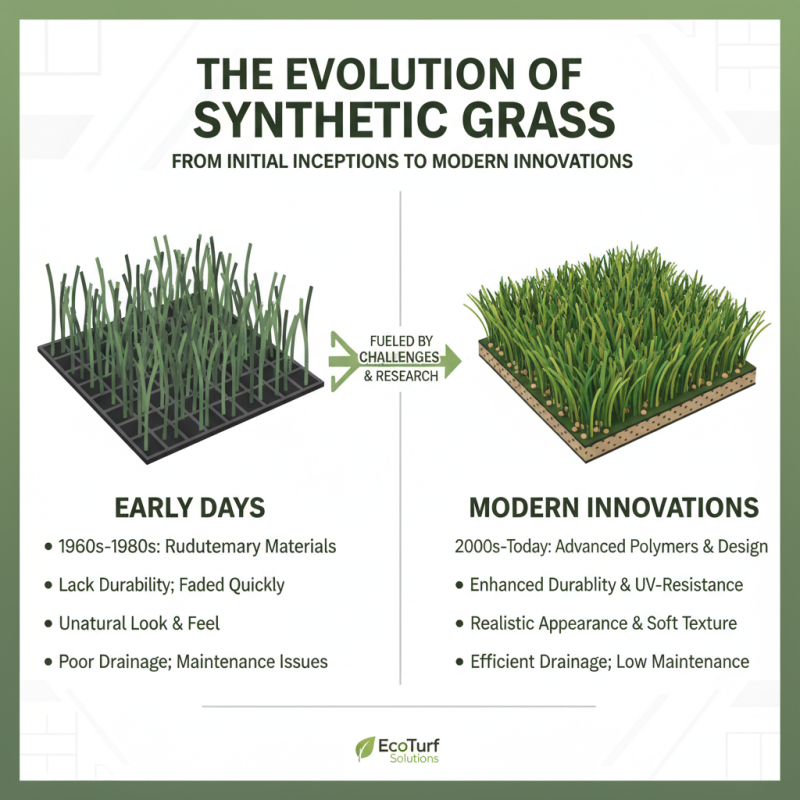
The journey of synthetic artificial grass spans decades, reflecting significant advancements in materials and technology. Initially, it was rudimentary and often lacked durability. Early versions failed to replicate the aesthetics and feel of natural grass. Users struggled with maintenance issues, and the visual appeal was often questioned. However, these initial challenges fueled innovation in the field.
Over the years, synthetic grass has undergone remarkable transformations. Modern innovations include improved fibers and advanced infill materials. These enhancements have made synthetic grass more realistic, durable, and versatile. It is now often used in sports fields, residential lawns, and commercial spaces. The material is designed to withstand extreme weather conditions, reducing the need for constant maintenance.
Despite these advancements, there are still areas for improvement. Some users express concerns about heat retention in warmer climates. Others wonder about the environmental impact of the manufacturing process. These reflections highlight that while synthetic grass has come a long way, ongoing research and development are essential. Embracing these challenges can lead to even better solutions in the future.
Key Advantages of Synthetic Grass: Cost, Durability, and Maintenance Benefits
Synthetic artificial grass is becoming a popular choice for both residential and commercial spaces. One of its key advantages is cost-efficiency. While the initial investment can be higher than natural grass, the long-term savings are substantial. Homeowners save on water bills and lawn care costs. This economic benefit makes it a practical option for many budgets.
Durability is another standout feature. Synthetic grass withstands harsh weather conditions. It does not fade in sunlight or get damaged by heavy rain. Unlike real grass, it stays lush and green year-round. This consistency can be particularly beneficial for families with children or pets.
Maintenance is simplified with synthetic grass. Mowing, watering, and fertilizing are eliminated. However, the need for occasional cleaning and checks for debris remains. It’s important to ensure proper drainage to avoid potential issues. While synthetic grass has numerous benefits, it requires thoughtful installation and care for optimal performance.
Environmental Impact of Synthetic Grass: Water Conservation and Eco-Friendliness
Synthetic artificial grass has gained popularity for its
environmental benefits. One of its standout features is water conservation. Traditional lawns require regular watering, which can waste significant amounts of water. In contrast, synthetic grass needs minimal maintenance. When installed correctly, it doesn’t require any watering at all, drastically reducing water usage.
The eco-friendliness of synthetic grass extends beyond just water savings. It eliminates the need for harmful pesticides or fertilizers. This means less chemical runoff into our water systems. Moreover, synthetic grass can be recycled at the end of its lifespan. However, there's an ongoing debate about the materials used in production. Some components can be non-biodegradable. This aspect calls for careful consideration when choosing synthetic grass options.
As more people turn to synthetic grass, awareness about its overall sustainability is crucial. The impact on local ecosystems must be examined closely. While it does save water and cuts down on chemical use, addressing its material footprint is essential. This complexity highlights the need for responsible consumer choices and thorough industry standards.
Applications of Synthetic Grass: Sports Fields, Landscapes, and Recreational Areas
Synthetic grass has gained popularity in various applications, particularly in sports fields, landscapes, and recreational areas. The global synthetic turf market is expected to reach over $4 billion by 2027, driven by the increasing demand for sustainable and low-maintenance solutions. Sports fields benefit significantly from synthetic grass, as it provides a consistent playing surface. This is critical in reducing injuries among athletes. A study by the American Journal of Sports Medicine found that synthetic turf can decrease the risk of specific injuries by 20%.
In landscapes, synthetic grass offers aesthetic appeal without the upkeep traditional grass demands. Homeowners are attracted to its durability and resistance to harsh weather conditions. In urban areas, municipalities are using synthetic grass to enhance parks and recreational spaces. This helps create green areas without the extensive resources needed for natural grass. Notably, synthetic grass can save up to 55% more water than natural grass, a crucial factor considering increasing water scarcity issues.
While the advantages are compelling, there are concerns. The initial investment for synthetic grass is higher than natural options. Some environmentalists question the long-term impact of synthetic materials. Decomposition and recycling challenges are real and need addressing. Effects on local ecosystems also require careful consideration. Balancing immediate benefits with sustainable practices remains a topic for ongoing discussion in the industry.